

Decide First. Prove It Later.
Zlatan said it. Hinchcliffe lived it. Here's what it actually means.

Cheers for being here.
You’re receiving this because you subscribed to Decoded - and I’m glad you did. I’m Sachin Jha, host of the Decoding Wisdom podcast and former international cricketer for the UAE. Every week I unpack what elite performance actually looks like in sport, business, and everything in between - drawn from my own experience and 50+ conversations with athletes, coaches, and founders who've done it at the highest level.
Glad you’re along for the ride.
Welcome to the first issue of Decoded. The newsletter drops every Tuesday - but for this one, why not kick off the week on a Monday.
⚡ The main idea
I came across a clip this week that I couldn't stop thinking about. It was Zlatan Ibrahimović - if you don't know him, he's widely considered one of the greatest footballers of his generation, a man who played at the highest level across Europe for over two decades and never once seemed to doubt that he belonged there. He's also, famously, not what you'd call shy about it.
He said:
“My philosophy is - why be normal when you can be the best? I don’t want to be normal. I want to make a difference. Everything I do, I want to make a difference. I am the best. That is not arrogance. That is confidence.”
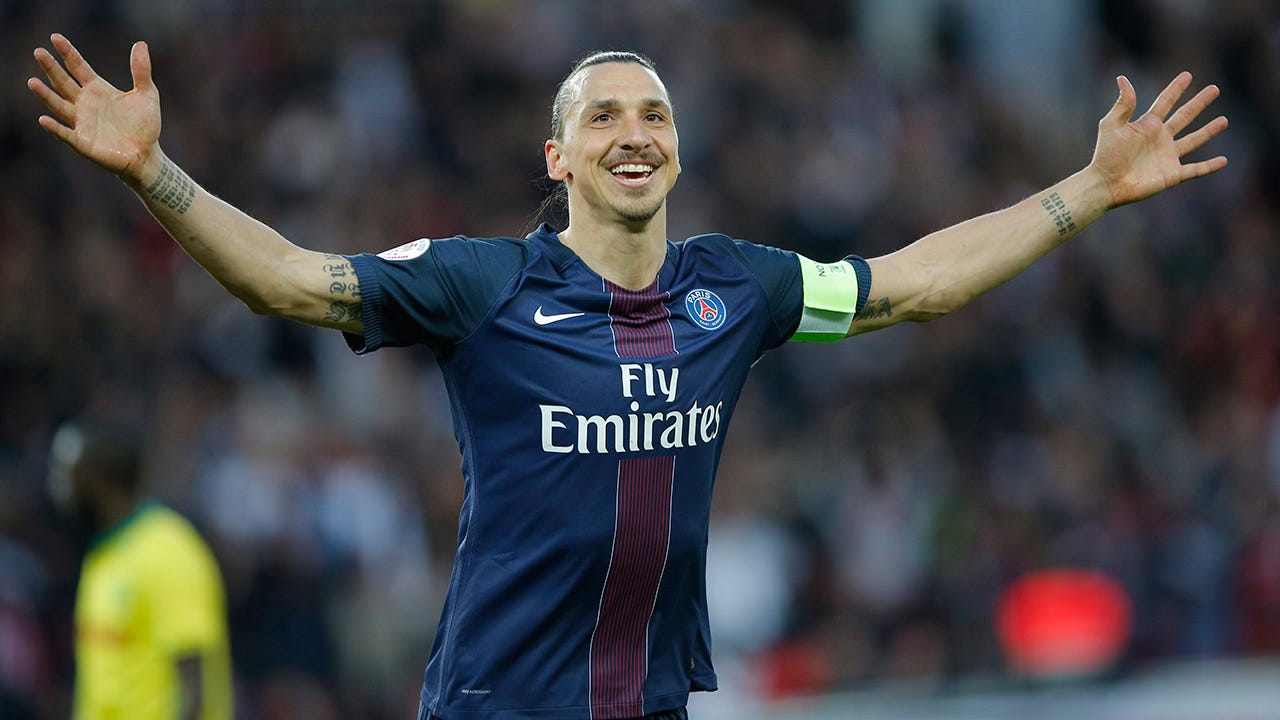
I turned it into a reel. It did alright. But more than the numbers, the responses it got told me something - a lot of people needed to hear that and didn’t realise it until it landed in front of them.
Because somewhere along the way, we started treating ambition like it’s a character flaw.
We dress it up in polite language. We say things like “I just want to do my best” or “I’m not really competitive” - as if wanting to be great at something is something to apologise for. As if believing you can make a difference is arrogance rather than a prerequisite.
Zlatan never got that memo. And neither did any elite performer I’ve ever spoken to.
Here’s what I’ve come to believe after 50+ conversations on Decoding Wisdom with athletes, coaches, and founders who’ve performed at the highest level.
The best people in any field - sport, business, art, whatever - are operating with a level of self-belief that looks, from the outside, like delusion.
It has to be that way.
Because the gap between where you are and where you’re trying to get is so large, so full of uncertainty and failure and people telling you it won’t work, that a realistic assessment of your chances would stop most people before they’ve started.
So the elite don’t make a realistic assessment. They make a committed one.
They decide - before the evidence is in, before the results confirm it, before anyone else believes it - that they are going to be the best. And then they go looking for proof.
That’s not arrogance. That’s the operating system.
👁 On my radar
Three things that caught my attention this week connecting back to the same idea.
Kobe Bryant used to tell his teammates before big games that he had already decided they were going to win. Not hoped. Decided. The game itself was just the confirmation. That’s not a motivational poster - that’s a performance protocol.
Roger Federer gave an interview after retiring where he admitted he lost almost half the points he ever played in his career. Half. The greatest tennis player of all time. What separated him wasn’t that he won every point - it’s that losing one never made him doubt the next one was his.
And closer to home - every founder I’ve spoken to who built something real describes the same early period. A window where nobody believed in it except them. Where the only thing keeping it alive was a level of conviction that looked, from the outside, completely unjustified. The delusion came first. The evidence came later.
↗ The takeaway
You don’t build unshakeable self-belief by waiting for results to justify it. You build it by deciding - on purpose, in advance - that you are capable of the thing you’re attempting. Then you collect evidence that confirms it and you ignore evidence that doesn’t.
That sounds dangerously close to delusion. It is. Slightly. And that’s exactly the point.
Start with one area of your life where you’ve been waiting for permission to believe you’re good enough. Stop waiting. Make the committed statement instead of the hopeful one. See what changes.
🎙 From the pod
When IndyCar driver James Hinchcliffe came on Decoding Wisdom, he said something I haven’t stopped thinking about. He told me you have to be a little delusional to compete at the highest level. That the belief has to come before the results - not after. That every driver on that grid genuinely believes they can win, even when the data says otherwise, because the moment you stop believing it, you’ve already lost.
James nearly lost his life in a crash at Indianapolis in 2015. He came back and kept racing. If anyone has earned the right to talk about belief under pressure, it’s him.
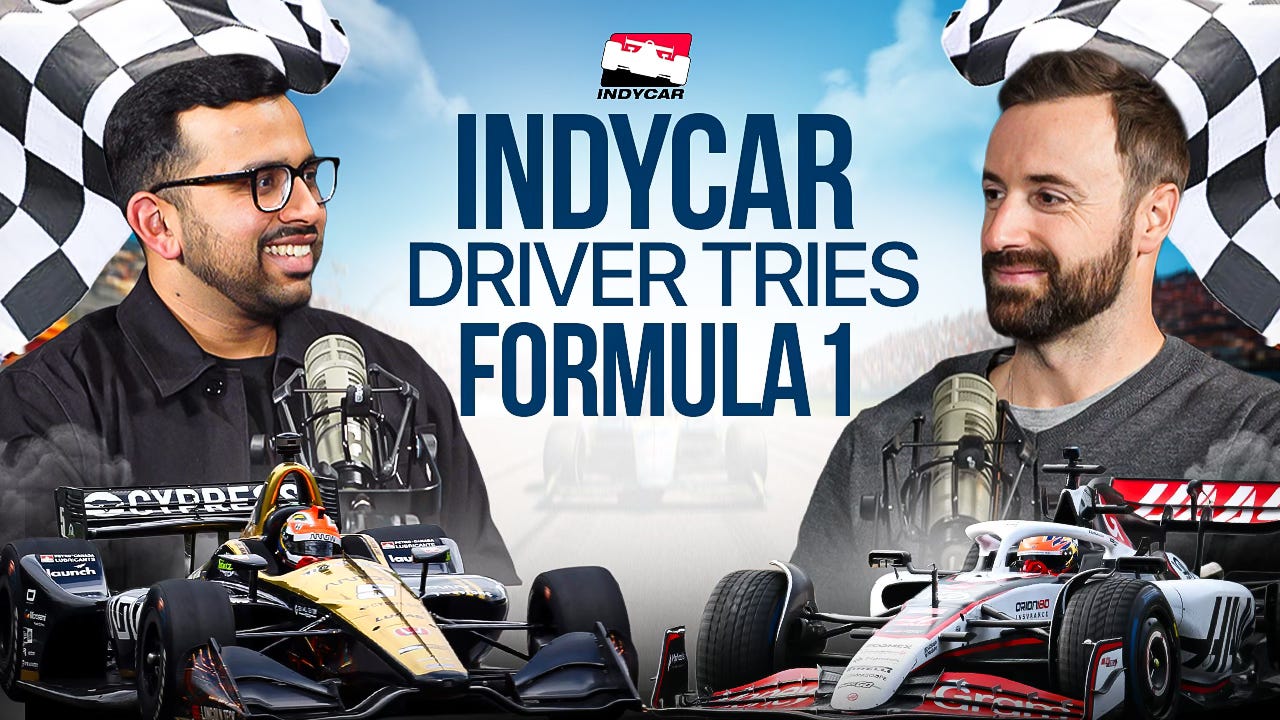
🎧 Watch the full episode here on YouTube
That’s Issue 001 of Decoded. Glad you’re here for it.
If this landed, forward it to one person who needs to hear the Zlatan line. That’s how this grows - one reader at a time.
See you next Tuesday.
Cheers, Sachin.